
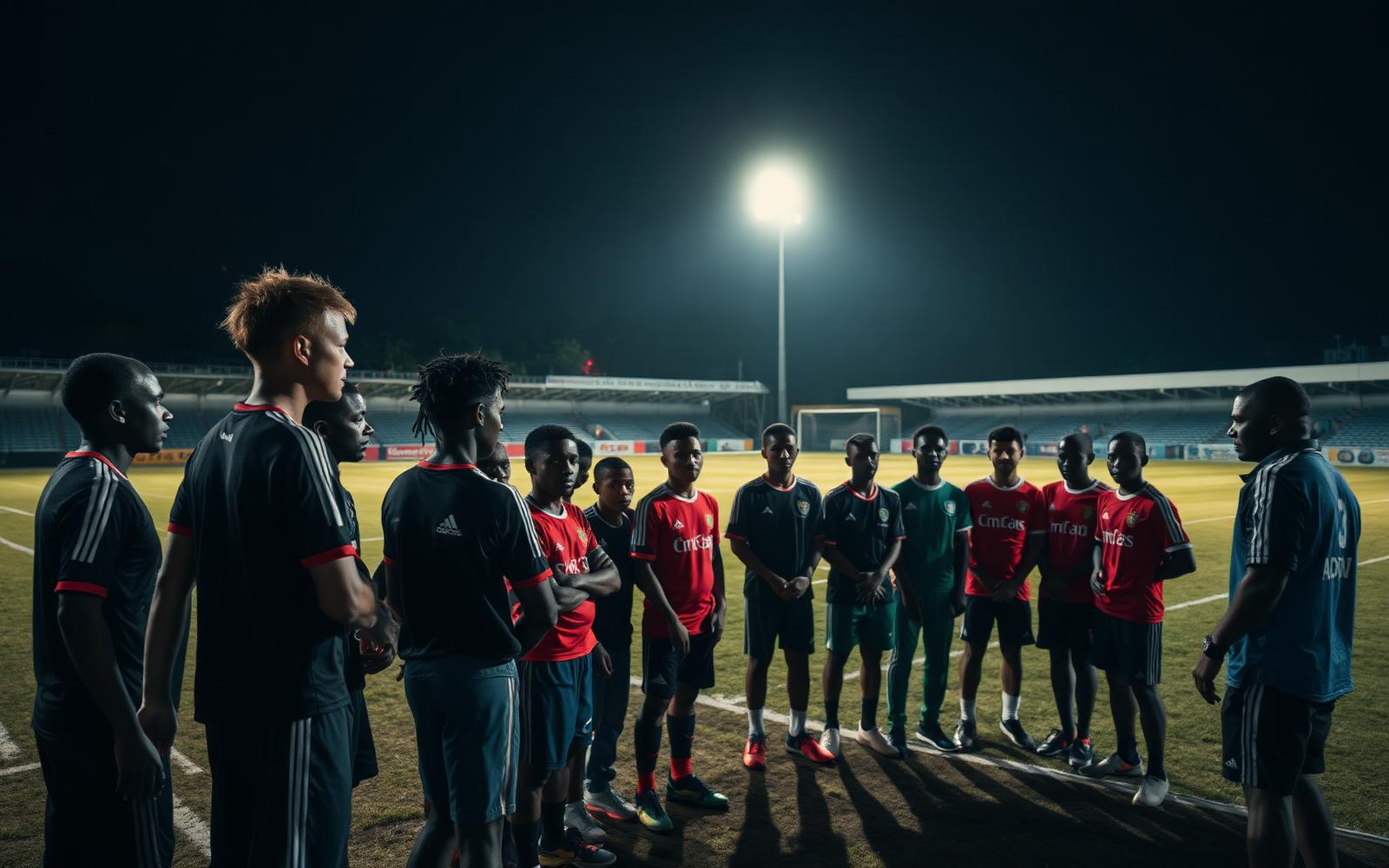
A visitor to a Panorama session will notice two things quickly. There is a lot of ball, and there is not much queuing.
That is deliberate. The strongest predictor of technical development in young players is the number of meaningful contacts they have with a ball, in a context that requires a decision. A drill in which eighteen children take turns in a line delivers very few of either. A small-sided game with frequent restarts delivers hundreds.
The club's session structure runs consistently across every age group: an arrival activity that involves a ball from the first minute, a technical block with a clear individual focus, a game-related practice that presents the week's problem in a realistic form, and a game. Coaching happens inside the practice rather than through long stoppages.
The design principle above the structure is that the session should mirror the weekend problem. If the group struggled to build out against a high press on Saturday, Tuesday's session presents that exact problem in a smaller frame. Players who solve the problem themselves in training recognise it on Saturday; players who are told the answer generally do not.
What changes with age phase is the balance, not the philosophy. Foundation sessions are heavily weighted toward ball mastery and one-versus-one. Youth Development adds positional detail and tactical language. The elite environment adds opposition-specific preparation and monitored physical load.
Underneath it all is coach education. Panorama coaches hold qualifications appropriate to their phase, plus current first aid and safeguarding clearance, and every one of those credentials is tracked with an expiry date. A coach whose clearance lapses does not quietly keep coaching.
Review note: Coaching methodology editorial for client review.